
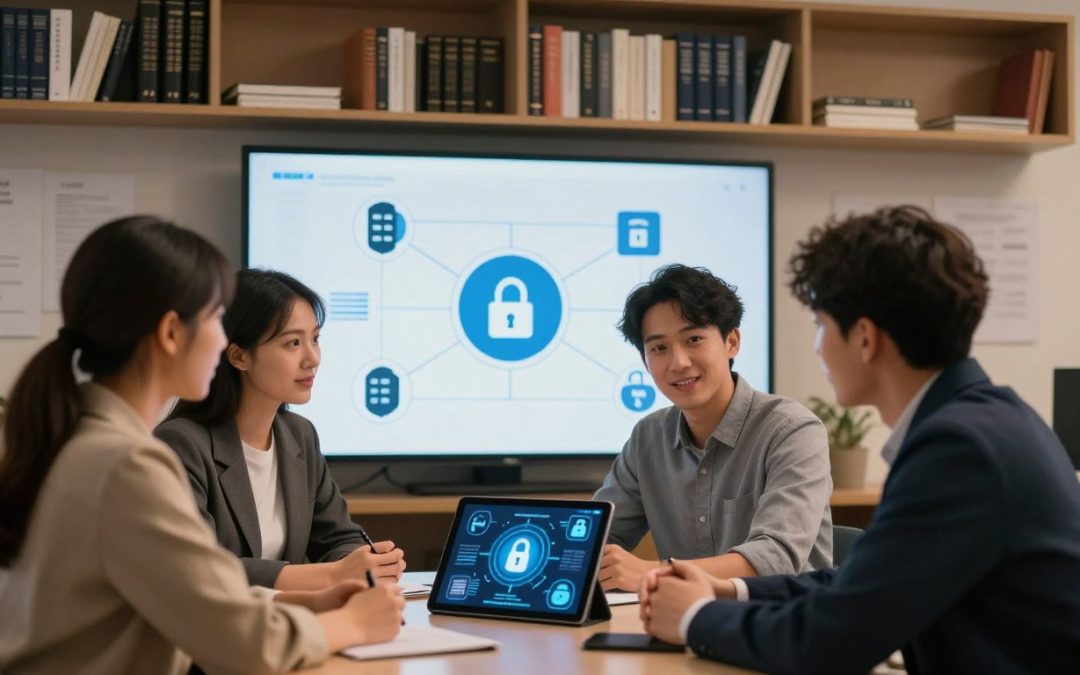
Many people believe that binge-watching high-stakes tech thrillers provides a solid foundation for a career in digital defense. While these shows offer exciting drama, they often blur the lines between Hollywood fiction and the tedious, detail-oriented reality of protecting infrastructure.

Edit
Full screen
Delete
🎬 Think You’re Learning Cybersecurity? Your Watchlist Might Say Otherwise.
True cybersecurity education requires more than just passive observation of dramatic screen hacks. It demands a deep commitment to understanding complex protocols, network architecture, and constant threat analysis. If you want to build a lasting career, you must distinguish between pure entertainment and the rigorous path of professional development.
It is time to evaluate those habits. Moving beyond the screen is the first step toward gaining the skills that actually matter in the field. Authentic cybersecurity education is built on practice, patience, and real-world application rather than cinematic flair.
Key Takeaways
- Television dramas often misrepresent the daily tasks of security professionals.
- Passive viewing does not equate to active skill acquisition.
- Professional growth requires hands-on experience with actual digital systems.
- Distinguishing between fiction and reality is vital for career success.
- Focusing on foundational knowledge leads to better long-term results.
The Hollywood Effect: Why We Confuse Fiction with Reality
The silver screen often paints a picture of cybersecurity that looks nothing like the daily grind of a real IT professional. When we watch thrillers, we are often fed a version of technology that prioritizes drama over technical accuracy. This creates a disconnect between what the public expects and the reality of the industry.
Many viewers internalize these Hollywood hacking tropes without realizing how much they distort the truth. By turning complex, tedious code into a high-stakes visual spectacle, movies make the field seem like a constant adrenaline rush. This perception can lead to unrealistic expectations for those just starting their careers in information technology.
The Glamorization of Hacking
In film, hackers are frequently portrayed as rebellious geniuses working in dark rooms with glowing screens. They type furiously while colorful 3D graphics dance across their monitors. This glamorized version of the job ignores the reality of long hours spent reading logs and patching vulnerabilities.
The media often relies on specific patterns to keep audiences engaged. These common misconceptions include:
- The “lone wolf” hacker who can bypass any system alone.
- The use of flashy, animated interfaces that do not exist in real software.
- The idea that hacking is purely about typing fast rather than strategic planning.
The Speed of Digital Intrusion
One of the most persistent Hollywood hacking tropes is the speed at which a breach occurs. In a movie, a character might crack a complex password in mere seconds, usually accompanied by a dramatic progress bar. In reality, security breaches are often slow, methodical processes that take weeks or even months of reconnaissance.
Real-world security is rarely about a sudden, explosive moment of success. It is about persistence and patience. When students enter the field expecting the instant gratification seen on screen, they often feel discouraged by the slow, analytical nature of actual security work. Understanding this gap is essential for anyone who wants to build a legitimate career in the digital defense space.
🎬 Think You’re Learning Cybersecurity? Your Watchlist Might Say Otherwise.
Distinguishing between Hollywood magic and actual cybersecurity protocols is a vital skill for any aspiring expert. While tech-focused dramas provide hours of entertainment, they often sacrifice reality for the sake of a faster plot. Understanding this divide is the first step toward becoming a true professional in the industry.
Separating Cinematic Flair from Technical Truth
Directors often prioritize visual excitement over technical accuracy in film. You might see a character bypass a firewall in seconds, but real-world penetration testing is a slow, methodical process. This gap between the screen and the server room can lead to dangerous misconceptions about how digital systems actually function.
When you watch these shows, look for the shortcuts that writers take to keep the story moving. Often, the technical accuracy in film is ignored to ensure the audience stays engaged with the protagonist’s journey. Recognizing these creative choices helps you appreciate the story without internalizing false technical habits.
To help you spot the difference, consider the following comparison between common tropes and the reality of the cybersecurity field:
| Hollywood Trope | Real-World Reality | Impact on Security |
| Instant Password Cracking | Complex Brute-Force Attacks | Requires long-term monitoring |
| Visual 3D Interfaces | Command Line Terminals | Focus on text-based logs |
| One-Person Hacking | Collaborative Red/Blue Teams | Teamwork is essential |
Why Media Literacy Matters for Aspiring Professionals
Developing strong media literacy is not just about critiquing movies; it is about sharpening your analytical mindset. As a security professional, you will often need to explain complex risks to non-technical stakeholders who may have learned everything they know about tech from television. If you cannot identify the myths, you will struggle to communicate the truth.
“The most dangerous threat to a security professional is not the hacker in the shadows, but the false sense of confidence built on a foundation of cinematic fiction.”
By practicing media literacy, you learn to look past the surface-level drama of tech-focused dramas. You begin to ask the right questions about how systems are secured and why certain vulnerabilities exist. This critical thinking is exactly what employers look for when hiring for high-stakes security roles.
Ultimately, your ability to separate fact from fiction will define your career trajectory. Stay curious, keep questioning what you see on screen, and always verify your knowledge through hands-on experience. This approach ensures that your skills are built on reality, not just the latest blockbuster hit.
Shows That Get the Technical Basics Right
Achieving technical accuracy in film is a difficult task, yet a few standout series have managed to get it right. While most media relies on flashy visual effects to depict digital threats, these specific shows prioritize the actual methodologies used by professionals. By focusing on realistic workflows, they offer a much better educational experience for those interested in the field.
Mr. Robot: The Gold Standard for Authenticity
Mr. Robot changed the landscape of how we view information security on television. Instead of using fake interfaces, the show features actual Linux commands and real-world tools like Kali Linux. It portrays the slow, methodical nature of ethical hacking rather than the instant “magic” seen in typical action movies.
The series highlights that the biggest vulnerability is often the human element. Through its depiction of social engineering, viewers learn that security is not just about firewalls and code. It is about understanding how people interact with systems.
Halt and Catch Fire: The Historical Context of Computing
While not strictly about modern security, Halt and Catch Fire provides an essential look at the evolution of hardware and software. It captures the spirit of innovation that built the foundation for today’s digital world. Understanding this history is vital for anyone pursuing a career in the tech industry.
The show excels by focusing on the following aspects of computing:
- The iterative process of hardware development and testing.
- The intense pressure of competitive software engineering.
- The early days of networking and the birth of the modern internet.
By watching these series, you gain a deeper appreciation for the complexities of information security. They prove that ethical hacking can be portrayed with technical accuracy in film without sacrificing the quality of the storytelling.
The Common Tropes That Are Actually Dangerous
Hollywood hacking tropes have created a distorted reality that can be dangerous for those entering the cybersecurity field. When we watch movies, we often accept certain digital security myths as absolute facts. This disconnect between entertainment and reality can lead to a false sense of confidence or, worse, a misunderstanding of how systems are actually protected.

Edit
Full screen
Delete
Hollywood hacking tropes and digital security myths
The Myth of the Instant Password Crack
One of the most pervasive digital security myths is the idea that a hacker can bypass any password in seconds. In films, a progress bar fills up, and the system grants access almost immediately. In reality, modern encryption and hashing algorithms are designed to withstand such brute-force attempts for years, if not centuries.
“The movies make it look like a race against a clock, but real security is a game of patience and persistence.”
True security professionals know that cracking a password is rarely about a magical software tool. It is usually about finding weak human processes or misconfigured systems. Relying on the cinematic version of hacking ignores the fundamental complexity of modern authentication protocols.
Why Visual Interfaces Are Not How Security Works
Another dangerous trope is the reliance on flashy, 3D visual interfaces to represent a network breach. You might see spinning globes or complex geometric shapes that supposedly represent a firewall being dismantled. These visuals are purely for the audience’s benefit and have zero connection to how security works in a command-line environment.
In the real world, security is managed through text-based terminals and logs. It is a process of reading lines of code, analyzing traffic patterns, and managing permissions. By prioritizing style over substance, Hollywood hacking tropes hide the reality that effective security is often quiet, methodical, and entirely text-driven.
What You Can Actually Learn from Tech-Focused Dramas
Beyond the flashy screens and rapid-fire typing, tech-focused dramas provide a window into the human side of security. While the code on screen might be pure fiction, the way characters interact with their environment often mirrors real-world risks. By observing these narratives, you can sharpen your cybersecurity skills by focusing on the human element rather than the software.
Understanding Social Engineering Tactics
One of the most valuable lessons from these shows is the prevalence of social engineering. Writers frequently depict hackers who bypass firewalls by simply talking their way into a building or tricking an employee into revealing a password. This highlights a critical truth: it is often easier to hack a person than it is to hack a machine.
When you watch these scenes, pay close attention to how the antagonist builds trust or creates a false sense of urgency. These social engineering tactics are not just plot devices; they are accurate representations of how modern attackers operate. Recognizing these patterns in fiction helps you stay alert to similar manipulation attempts in your daily life.
The Importance of Physical Security and Operational Security
Many series excel at showing that physical security is the foundation of any defense. You will often see characters gaining access to restricted areas through simple methods like tailgating or exploiting a misplaced keycard. These moments serve as a stark reminder that even the most advanced digital systems are useless if the physical perimeter is compromised.
Furthermore, these stories emphasize the role of operational security in protecting sensitive information. Whether it is a character leaving a laptop unattended or sharing credentials in a public space, these mistakes demonstrate how human error creates massive vulnerabilities. By analyzing these failures, you can better understand how to protect your own digital footprint and improve your overall cybersecurity skills.
Documentaries vs. Dramas: Where the Real Education Happens
Moving beyond the glitz of Hollywood, true learning often begins with the raw, unfiltered reality found in high-quality cybersecurity documentaries. While scripted shows prioritize pacing and visual flair, these factual accounts offer the depth required to build genuine cybersecurity skills. By studying real-world events, you can bridge the gap between cinematic entertainment and the complex nature of modern digital defense.

Edit
Full screen
Delete
cybersecurity documentaries
Zero Days: Understanding Stuxnet and State-Sponsored Attacks
One of the most essential films for any student of the field is Zero Days. This documentary provides a chilling look at the Stuxnet virus, which was designed to sabotage nuclear facilities. It serves as a masterclass in how state-sponsored actors operate within the shadows of global politics.
Watching this film helps you understand that cyber warfare is not just about code; it is about geopolitical strategy. You will learn how sophisticated malware can cross the digital divide to cause physical destruction. This level of insight is rarely captured in mainstream television dramas.
The Great Hack: Data Privacy and Ethics
If you are interested in the human side of technology, The Great Hack is an indispensable resource. It explores the Cambridge Analytica scandal and the massive implications for personal data privacy. This film forces viewers to confront the ethical dilemmas that modern security practitioners face every day.
Understanding how data is harvested and weaponized is a critical component of developing your cybersecurity skills. By analyzing these real-world failures, you learn to prioritize user protection and ethical standards in your own work. Ultimately, these cybersecurity documentaries provide the foundational knowledge that no fictional script can replicate.
Building a Curriculum Beyond the Screen
Watching hackers on screen is fun, but building your own security skills is where the real magic happens. While dramas provide a spark of interest, they rarely teach you the technical depth required for a professional role. To succeed, you must shift your focus toward hands-on learning and structured practice.
Transitioning from Passive Watching to Active Learning
The jump from viewer to practitioner is a significant milestone in your cybersecurity career path. Passive consumption allows you to observe, but active engagement forces you to solve complex problems. You should start by setting up a home lab or using virtual environments to test your knowledge safely.
Consistency is the secret to mastering technical concepts. Dedicating just a few hours each week to online security training will yield better results than binge-watching an entire series. You will find that applying concepts in real-time helps solidify your understanding of network defense and penetration testing.
Recommended Resources for Hands-On Cybersecurity Skills
There are many excellent platforms designed to help you build a robust cybersecurity education. These sites offer gamified challenges that make the learning process both engaging and effective. By utilizing these tools, you can bridge the gap between cinematic fiction and technical reality.
- TryHackMe: Perfect for beginners who need guided paths.
- Hack The Box: Ideal for those who want to test their skills against real-world scenarios.
- Cybrary: A great resource for structured online security training and certification prep.
The following table compares popular platforms to help you choose the right starting point for your cybersecurity career path.
| Platform | Skill Level | Primary Focus | Learning Style |
| TryHackMe | Beginner | Guided Labs | Interactive |
| Hack The Box | Intermediate | Penetration Testing | Competitive |
| Cybrary | All Levels | Certification Prep | Video/Coursework |
| OverTheWire | Beginner | Linux/Command Line | Text-Based |
Investing time in these resources ensures that your cybersecurity education is grounded in reality. By prioritizing hands-on learning, you prepare yourself for the challenges of the modern digital landscape.
The Role of Media in Shaping Public Perception of Security
Popular culture acts as a silent architect for public attitudes toward digital protection. When audiences consume high-stakes dramas, they often mistake cinematic shortcuts for technical reality. This disconnect creates a significant gap between what people believe is possible and how information security actually functions in the modern world.
How Movies Influence Policy and User Behavior
When policymakers and the general public rely on fictional tropes, the results can be detrimental to real-world safety. If a movie suggests that a simple hack can bypass any firewall in seconds, users may underestimate the true complexity of digital defense. This leads to a dangerous decline in cyber threat awareness, as individuals might feel that security is either impossible or entirely automated.
Furthermore, these misconceptions often influence organizational policy. Decision-makers who lack technical backgrounds might prioritize flashy, ineffective tools over fundamental security hygiene. By favoring the “Hollywood version” of protection, companies often leave themselves vulnerable to actual, mundane threats that require consistent human vigilance.
The Responsibility of Content Creators in Tech Representation
Content creators hold a unique position of power when it comes to shaping the public narrative. While entertainment is their primary goal, they have an ethical responsibility to avoid spreading harmful myths about information security. Providing a more grounded representation of technology helps viewers develop a healthier, more realistic sense of cyber threat awareness.
Authenticity does not have to come at the cost of a good story. By consulting with technical experts, writers can craft narratives that are both thrilling and educational. When creators prioritize accuracy, they help build a more informed society that is better prepared to face the genuine challenges of the digital age.
Conclusion
Entertainment media offers a captivating glimpse into the digital world, but it rarely captures the slow, methodical nature of real security work. You should view shows like Mr. Robot as inspiration rather than a technical manual. True expertise grows through dedicated practice and formal study.
Your path to becoming a cybersecurity professional requires a shift from passive viewing to active participation. Engage with platforms like TryHackMe or Hack The Box to build your technical foundation. These environments provide the hands-on experience that no television drama can replicate.
Maintain a healthy skepticism toward the flashy hacking scenes you see on screen. Real-world defense relies on patience, rigorous testing, and constant vigilance. By prioritizing authentic learning resources, you ensure your career rests on a solid, factual base.
What is your favorite way to sharpen your security skills outside of the classroom? Share your preferred learning platforms or books that helped you master the craft. Your journey into the field is unique, and your commitment to accuracy will set you apart in this fast-paced industry.
FAQ
Can watching tech thrillers actually help me start a career in information technology?
While shows like CSI: Cyber can spark an initial interest, they aren’t a substitute for formal cybersecurity education. Most Hollywood depictions prioritize cinematic flair over technical truth, often masking the tedious, detail-oriented work required to protect digital infrastructure. To build a career, you’ll need to move beyond the screen and engage in rigorous, hands-on training.
Which television series are actually respected by cybersecurity professionals for their accuracy?
Sam Esmail’s series Mr. Robot is widely cited as the gold standard for authenticity. Unlike most shows, it features real-world tools like Kali Linux and accurately portrays ethical hacking methodologies. Another great mention is Halt and Catch Fire, which provides excellent historical context regarding the evolution of personal computing and early networking.
Why is the “instant password crack” trope considered a dangerous myth?
In movies, hackers often bypass security in seconds, but in reality, modern encryption makes such feats nearly impossible without massive computing power or stolen credentials. This trope is dangerous because it creates a false sense of cyber threat awareness, leading people to underestimate the actual complexity of securing digital security systems.
What are the most valuable lessons I can learn from well-researched tech dramas?
The most accurate elements often involve the “human element.” You can learn a lot about social engineering tactics and how attackers manipulate people to gain access. These shows also highlight the importance of physical security and operational security (OpSec), reminding viewers that the strongest firewall can’t stop a person from leaving a server room door propped open.
Are documentaries more effective for learning about state-sponsored attacks than fictional shows?
Generally, yes. Documentaries like Alex Gibney’s Zero Days provide a factual foundation for understanding state-sponsored attacks and the history of Stuxnet. If you are interested in data privacy and the ethical dilemmas of the digital age, The Great Hack on Netflix offers much deeper insights than a dramatized thriller ever could.
Why don’t movies show hackers using a command-line environment?
Real information security work happens in a command-line environment, which can look “boring” to a general audience. Directors prefer flashy, 3D visual interfaces because they are more exciting for the camera. However, for a professional, these visual tropes are a major departure from how security works in the real world.
How do I transition from passive watching to active learning in cybersecurity?
The best way to build hands-on cybersecurity skills is to supplement your media consumption with lab-based practice. Platforms like TryHackMe or Hack The Box allow you to apply what you’ve seen in a safe, legal environment, helping you move from a fan of the genre to a skilled practitioner in the cybersecurity industry.