
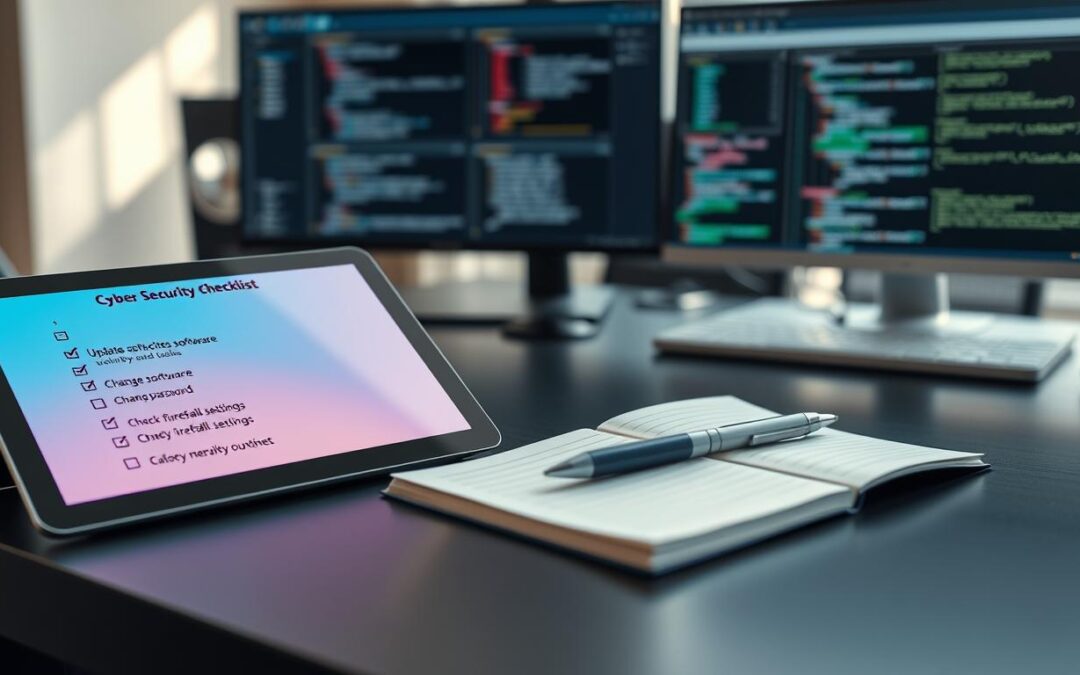
In today’s digital age, protecting your online presence is crucial. A daily cyber security routine can significantly enhance your online safety and security.
By incorporating simple practices into your daily routine, you can safeguard your digital life from potential threats. This includes being mindful of the information you share online and keeping your software up to date.

Edit
Full screen
Delete
My daily cyber security check list
Following a cyber security checklist can help you stay on track and ensure that you’re taking the necessary steps to protect yourself online. By making these practices a habit, you can enjoy a more secure online experience.
Key Takeaways
- Implement a daily cyber security routine to enhance online safety.
- Keep your software and operating system up to date.
- Be cautious with the information you share online.
- Use strong, unique passwords for all accounts.
- Regularly back up your important data.
The Growing Importance of Daily Cyber Security Practices
The digital landscape is constantly evolving, making daily cyber security practices more crucial than ever. As we navigate through the complexities of the online world, it’s essential to understand the current state of cyber threats and the importance of consistency in maintaining digital security.
Current Cyber Threat Landscape
The cyber threat landscape is becoming increasingly sophisticated, with hackers employing advanced techniques to breach security systems. Phishing attacks, ransomware, and identity theft are just a few examples of the threats individuals and organizations face daily. To combat these threats, it’s vital to stay informed about the latest cyber security trends and vulnerabilities.
| Cyber Threat | Description | Prevention Measures |
| Phishing Attacks | Attempts to deceive individuals into revealing sensitive information. | Be cautious with emails; verify sender information. |
| Ransomware | Malware that encrypts data, demanding payment for decryption. | Regularly back up data; avoid suspicious downloads. |
| Identity Theft | Unauthorized use of personal information. | Monitor financial statements; use strong passwords. |
Why Consistency Matters in Cyber Security
Consistency is key to effective cyber security. Regularly updating software, using strong passwords, and being vigilant about suspicious activities are crucial practices. By making these habits a part of your daily routine, you significantly reduce the risk of falling victim to cyber threats. Consistency breeds security, and it’s essential for protecting both personal and organizational data.
My Daily Cyber Security Check List: Morning Routine
Incorporating a daily cyber security routine into your morning schedule is a proactive step towards safeguarding your digital presence. By doing so, you can significantly enhance your online protection and stay ahead of potential cyber threats.
Checking for System Updates
One of the first steps in your morning cyber security routine should be checking for system updates. This ensures that your devices and software are equipped with the latest security measures.
Operating System Updates
Begin by checking for operating system updates. These updates often include patches for vulnerabilities that could be exploited by cyber attackers. Ensuring your OS is up-to-date is crucial for maintaining the security of your device.
Application Updates
Next, update your applications. Outdated applications can pose a significant risk to your cyber security. Regularly updating them helps protect against known vulnerabilities.
Reviewing Account Activity Notifications
Another critical step is reviewing account activity notifications. Many services provide notifications for unusual activity. Checking these notifications daily can help you identify and respond to potential security breaches promptly.
Verifying Backup Status
Finally, verify the status of your backups. Ensuring that your data is backed up regularly is a vital aspect of your cyber security checklist. It ensures that you can recover your data in case of a cyber attack or hardware failure.
By incorporating these steps into your morning routine, you can significantly enhance your cyber security posture and enjoy a safer online experience.
Password Management and Authentication
As cyber threats evolve, robust password management and authentication practices become increasingly vital. Effective password management is not just about creating complex passwords; it’s about maintaining a secure digital identity.
Using a Password Manager Effectively
A password manager is a crucial tool in managing multiple complex passwords. It securely stores and organizes passwords, allowing users to generate and retrieve complex passwords with ease. By using a password manager, individuals can avoid the common pitfall of using weak or repeated passwords across different accounts.
Implementing Multi-Factor Authentication
Multi-factor authentication (MFA) adds an extra layer of security to the traditional password or PIN. MFA requires users to provide two or more verification factors to gain access to an account or system.
App-Based Authentication
App-based authentication, such as Google Authenticator or Authy, generates a time-sensitive code that must be entered in addition to the password. This method significantly enhances security by making it difficult for attackers to gain unauthorized access.
Hardware Security Keys
Hardware security keys, like YubiKey, offer another form of MFA. These physical devices store cryptographic keys and must be present to authenticate, providing a highly secure form of verification.
Scheduled Password Rotation Practices
Regularly rotating passwords is a good practice to minimize the impact of a potential data breach. It’s recommended to change passwords every 60 to 90 days for sensitive accounts. A password manager can help keep track of these changes.
| Authentication Method | Security Level | Ease of Use |
| Password Only | Low | Easy |
| App-Based MFA | Medium-High | Moderate |
| Hardware Security Keys | High | Moderate |
Email Security Protocols
As we continue our daily cyber security checklist, email security protocols play a crucial role in protecting our digital communications. Email security is a critical aspect of our overall cyber hygiene, helping to prevent data breaches and cyber attacks. Effective email security protocols involve a combination of awareness, best practices, and technological measures.
Identifying Phishing Attempts
Phishing attempts are a common threat to email security. Being able to identify these attempts is crucial in preventing potential cyber attacks.
Red Flags in Email Messages
- Spelling and grammar mistakes
- Urgent or threatening tone
- Suspicious sender addresses
- Requests for sensitive information
Verifying Sender Information
Verifying the sender’s information is a key step in identifying phishing attempts. Check the sender’s email address to ensure it is legitimate and not spoofed.
Handling Attachments Safely
Email attachments can be a source of malware or viruses. To handle attachments safely, it’s recommended to:
- Scan attachments with antivirus software
- Avoid opening attachments from unknown senders
- Be cautious with executable files or zip archives
Email Account Security Settings
Adjusting email account security settings can significantly enhance email security. This includes enabling two-factor authentication, setting up account recovery options, and regularly reviewing account activity.

Edit
Full screen
Delete
email security protocols
By implementing these email security protocols, individuals can significantly reduce the risk of falling victim to cyber attacks and protect their digital communications.
Secure Browsing Habits
To stay safe online, it’s essential to develop and maintain secure browsing habits. This involves being mindful of the websites you visit, how you interact with them, and the tools you use to browse the internet.
Using HTTPS and Checking Website Security
One of the simplest ways to ensure you’re browsing securely is to check that the websites you visit use HTTPS. This means that the data exchanged between your browser and the website is encrypted, making it harder for hackers to intercept sensitive information. Look for the padlock icon in the address bar and ensure the URL starts with “https.”
Managing Browser Extensions and Plugins
Browser extensions can enhance your browsing experience, but they can also pose a security risk if not managed properly. Regularly review the extensions you have installed and remove any that are no longer needed or seem suspicious. Keep your extensions updated to ensure you have the latest security patches.
Private Browsing and Cookie Management
Private browsing modes can help protect your privacy by not storing your browsing history or cookies. However, it’s still important to manage cookies and other site data. Clearing browsing data regularly can help protect your privacy.
Clearing Browsing Data
Clearing your browsing data, including history, cookies, and cached images, can help protect your privacy. Most browsers allow you to do this through their settings menu. Consider doing this regularly, especially when using public computers.
Using Privacy-Focused Extensions
There are many browser extensions designed to enhance your privacy, such as ad blockers and trackers blockers. These can help reduce the amount of data collected about your browsing habits. When choosing extensions, look for ones that are highly rated and regularly updated.
By implementing these secure browsing habits, you can significantly enhance your online security and privacy. Regularly reviewing and updating your browsing practices will help protect you against emerging threats.
Mobile Device Security Measures
As we increasingly rely on mobile devices for daily tasks, securing these devices has become a top priority. Mobile devices store a vast amount of personal and sensitive information, making them attractive targets for cybercriminals.
App Permissions and Updates
One crucial aspect of mobile device security is managing app permissions. Users should regularly review the permissions granted to each app and revoke any that are unnecessary. Keeping apps updated is also vital, as updates often include security patches that protect against known vulnerabilities.
Mobile Antivirus and Security Tools
Installing mobile antivirus software is another key measure. These tools can detect and remove malware, providing an additional layer of protection. Users should choose reputable security apps and keep them updated to ensure they have the latest threat definitions.
Physical Device Security Practices
Physical security practices are equally important. This includes using screen locks and biometrics to prevent unauthorized access.
Screen Locks and Biometrics
Using a combination of PINs, passwords, or biometric authentication (like fingerprint or facial recognition) adds a significant layer of security.
Lost Device Protocols
Having a plan in place for lost or stolen devices is also crucial. This can include enabling remote wipe capabilities and reporting lost devices to the carrier promptly.

Edit
Full screen
Delete
mobile device security
Network and Wi-Fi Security
In the age of smart homes and remote work, ensuring your network and Wi-Fi are secure is more important than ever. A secure network is the backbone of safe internet browsing, data transfer, and communication.
Home Router Configuration Checks
Regularly checking your home router’s configuration is vital. This includes updating the firmware and managing the guest network.
Firmware Updates
Keeping your router’s firmware updated is crucial for security patches and performance improvements. Enable automatic updates if available.
Guest Network Management
Manage your guest network by limiting its access to your main network and devices. This adds an extra layer of security.
Public Wi-Fi Safety Protocols
When using public Wi-Fi, be cautious. Avoid accessing sensitive information, and consider using a VPN for encrypted connections.
VPN Usage Guidelines
A VPN encrypts your internet traffic, providing a secure connection, especially on public Wi-Fi. Choose a reputable VPN service and keep it enabled whenever you’re online.
By following these guidelines, you can significantly enhance your network and Wi-Fi security, protecting your digital life from potential threats.
Social Media Privacy and Security
As we increasingly rely on social media for personal and professional purposes, ensuring our privacy and security on these platforms is paramount. Social media security involves protecting our personal information and online activities from unauthorized access and potential threats.
Account Privacy Settings Review
Regularly reviewing your social media account privacy settings is crucial. Most platforms provide options to control who can see your posts, profile information, and other personal details. Adjust these settings to limit the visibility of your information to only those you trust. For instance, Facebook allows you to control who can see your future posts, and you can also limit the audience for your past posts.
Information Sharing Best Practices
Being mindful of the information you share on social media is vital. Avoid sharing sensitive personal details such as your address, phone number, or financial information. Think twice before posting because once something is online, it can be difficult to remove. Consider the potential consequences of sharing certain information, and use privacy settings to control who can see your posts.
Recognizing Social Engineering Tactics
Social engineering tactics are used by malicious actors to trick individuals into divulging sensitive information. Be cautious of suspicious messages or friend requests that ask for personal information. Verify the authenticity of requests before responding or clicking on links.
Friend/Connection Request Verification
When receiving friend or connection requests, ensure they are from people you know or have a legitimate connection with. Scammers often create fake profiles to gain trust.
Avoiding Oversharing Personal Information
Oversharing can lead to privacy issues and potential security risks. Be cautious about sharing details like your location, travel plans, or other personal activities that could be used against you.
Family Cyber Security Education
In a world where cyber threats are on the rise, educating your family is key to staying safe online. As we increasingly rely on digital technologies, it’s essential to ensure that all family members understand the basics of cyber security.
Teaching Children Safe Online Practices
Teaching children about cyber security is vital. It’s about guiding them on how to navigate the internet safely, avoid online predators, and understand the importance of privacy. Start by having open conversations about the potential dangers online and setting clear rules for internet use.
Some key practices to teach children include:
- Never sharing personal information online
- Being cautious with links and downloads
- Understanding the concept of online privacy
Household Device Management
Managing household devices is another crucial aspect of family cyber security. This involves securing all devices connected to your home network, including smartphones, laptops, smart TVs, and IoT devices.
IoT Device Security
IoT devices, such as smart home appliances and security cameras, can be vulnerable to cyber attacks if not properly secured. Ensure that all IoT devices are updated with the latest security patches and that default passwords are changed.
Shared Account Protocols
When it comes to shared accounts, such as streaming services or online storage, it’s essential to establish clear protocols. This includes using strong, unique passwords and enabling two-factor authentication where possible.
Here’s a simple table to help you manage your household devices and accounts:
| Device/Account | Password Strength | Two-Factor Authentication |
| Smart TV | Strong | Enabled |
| Streaming Service | Medium | Disabled |
| Home Security Camera | Strong | Enabled |
By educating your family about cyber security and implementing these practices, you can significantly enhance your household’s online safety.
Conclusion: Building Cyber Security Habits That Last
Developing a robust cyber security routine is crucial in today’s digital landscape. By incorporating the practices outlined in the previous sections into your daily routine, you can significantly enhance your online security.
Building cyber security habits that last requires consistency and dedication. Regularly checking for system updates, using a password manager, and being cautious with emails and attachments are just a few habits to cultivate.
By making these practices a part of your daily cyber security check list, you can protect yourself from evolving cyber threats. Staying informed and adapting to new security measures is key to maintaining a secure online presence.
Start building your cyber security habits today and enjoy a safer online experience. Integrate these simple yet effective practices into your daily routine to safeguard your digital life.
FAQ
What is the importance of having a daily cyber security check list?
Having a daily cyber security check list is crucial to protect one’s digital life by significantly enhancing online safety and security through simple practices.
How often should I check for system updates?
It’s recommended to check for system updates daily as part of your morning routine to ensure your operating system and applications are up-to-date.
What is multi-factor authentication and why is it important?
Multi-factor authentication is a security process that requires more than one method of authentication to verify a user’s identity. It’s important because it adds an additional layer of security to prevent unauthorized access.
How can I identify phishing attempts in emails?
To identify phishing attempts, look out for red flags such as suspicious sender information, spelling and grammar mistakes, and generic greetings. Always verify the sender’s information before responding or clicking on links.
What are the best practices for handling email attachments?
Best practices include being cautious with attachments from unknown senders, scanning attachments with antivirus software, and avoiding attachments that could potentially be malicious, such as executable files.
Why is it important to use HTTPS when browsing?
Using HTTPS (Hypertext Transfer Protocol Secure) is important because it encrypts the data between your browser and the website, protecting your data from being intercepted by unauthorized parties.
How can I secure my mobile device?
To secure your mobile device, review app permissions, keep your operating system and apps updated, use a mobile antivirus, and implement physical security measures such as screen locks and biometrics.
What are the guidelines for using public Wi-Fi safely?
When using public Wi-Fi, avoid accessing sensitive information, use a VPN to encrypt your internet traffic, and keep your device’s operating system and software up-to-date.
How often should I review my social media account privacy settings?
It’s a good practice to review your social media account privacy settings regularly to ensure you’re aware of who can see your information and to adjust settings according to your comfort level.
Why is it important to educate family members about cyber security?
Educating family members about cyber security is crucial to protect your household’s digital life by ensuring everyone follows safe online practices and is aware of potential cyber threats.
What is the role of a password manager in cyber security?
A password manager helps generate and store unique, complex passwords for each of your accounts, making it easier to maintain strong password hygiene and reducing the risk of using weak or repeated passwords.
How can I manage household devices securely?
To manage household devices securely, ensure all devices are updated with the latest security patches, use strong passwords, and implement security measures such as IoT device security protocols.